
What is an automatic circuit breaker?
An automatic fuse breaker is an electrical safety device that automatically interrupts electrical current flow when it detects overcurrent conditions, short circuits, or other electrical faults. Unlike traditional manual fuses that require replacement after activation, an automatic fuse breaker can be reset and reused multiple times, providing both protection and operational convenience. These devices continuously monitor electrical circuits and respond instantly to abnormal conditions, making them essential components in modern power distribution systems across industrial, commercial, and residential applications.
Understanding Automatic Circuit Breakers and Their Core Features
Automatic circuit breakers are a big step forward in electrical safety technology because they combine advanced detection systems with the ability to act quickly. Using electromagnetic and temperature sensing as their basic ideas, these devices open contacts automatically when certain levels are surpassed.
Working Principles and Automation Capabilities
Automatic circuit breakers work by finding and fixing electricity problems without any help from a person. When the current goes over the safe limits, internal processes cut the power right away. This keeps downstream equipment from getting damaged and lowers the risk of a fire. This technology gets rid of the time needed to respond when someone is doing something by hand, which often stops small problems from getting worse and causing major system crashes.
Modern automatic fuse breakers have improved trip units that can tell the difference between real problems and temporary overcurrent situations. This intelligence stops shutdowns that aren't needed and makes sure there is solid safety when it's needed. With the reset feature, repair teams can quickly restore power after fixing the main problems, which cuts down on working downtime.
Key Operational Features
Automatic circuit breakers are different from other types of safety devices in a number of important ways. Current strength standards usually cover a wide range, from 15 amps to several thousand amps, to meet the needs of a wide range of applications. The trip settings can be changed to fit the features of a certain load, providing the best security without causing any problems.
Additionally, response time is an important factor, and high-quality devices can work within milliseconds of fault recognition. This quick action keeps the system stable and saves sensitive equipment from damage. Breaking capacity also tells you how much fault current the device can safely stop, which directly affects how well it works in high-power situations.
Compliance and Safety Standards
International safety standards control how automatic circuit breakers are made and how well they work, making sure that they work reliably in all places around the world. IEC 60947 and UL 489 standards tell makers how to test their products, what factors they must meet for success, and how they must label their products. These approvals give procurement workers faith in the reliability of the automatic fuse breaker and its ability to work with other systems.
Ratings for environmental factors, like IP20 to IP67, show how well something protects against dust and water getting in, which is very important for tough industrial or outdoor settings. Temperature rates show the operating ranges, which for industrial-grade devices are usually between -40°C and +85°C. This makes sure that the devices work the same way in all kinds of weather.
Types and Technical Specifications of Automatic Fuse Breakers
Automatic circuit breakers come in a variety of technologies that are made to meet the needs of different applications. By knowing these differences, you can make smart choices about which ones to use that improve both safety and operating efficiency.
Thermal Magnetic Circuit Breakers
Thermal magnetic breakers have two types of security that work together to handle different kinds of faults. When there is a prolonged overcurrent, the thermal element deflects a bimetallic strip. This protects against overloads over a period of time. When an electromagnetic coil is activated, magnetic parts protect against short circuits right away.
These gadgets work best in situations where the load is predictable and the surroundings is not too harsh. Their simple design makes them reliable while reducing the amount of upkeep that needs to be done. Motor protection, lighting systems, and general power distribution in business buildings are all common uses.
Electronic Circuit Breakers
Microprocessor-based trip units in electronic automatic fuse breakers give them exact security and advanced features. These devices have time-current properties that can be changed, so they can be tailored to different load needs. Modern automation and tracking systems can communicate and do troubleshooting right out of the box.
Ground fault recognition, arc fault safety, and power quality tracking are some of the more advanced features. Some types can log data, which lets you plan ahead for repair and make the system work better. Electronic breakers are especially useful in situations where exact coordination of security and system interaction are needed.
Technical Specification Considerations
One important feature that procurement teams must look at is the rated current, which tells them how much continuous current the gadget can safely handle. The voltage grade tells you the highest voltage that can be in the system, and the breaking capacity tells you the highest problem current that the device can safely stop.
Environmental factors have a big effect on choosing the right gadget and how well it works. When it comes to certain setups, operating temperature ranges, humidity tolerance, and shaking resistance all play a role in how reliable something is. For high-elevation uses, elevation derating might be needed, which means that specifications need to be carefully looked over during purchase.
Automatic Circuit Breaker vs Other Protection Devices — A Comparative Overview
When you look at the pros and cons of automatic circuit breakers versus other types of safety technology, they can help you decide which to buy. This study helps with the objective review of protection methods in a number of different settings.
Comparison with Manual Fuses
Fusible elements in traditional manual fuses melt when there is a fault and protect against overcurrent. Fuses are easy to use and don't cost much, but they need to be replaced after each use and can't be reset. Automatic fuse breakers get rid of these problems and offer better fault detection and operating freedom.
Fuses are great for situations where you need to stop a lot of things with little access for repair. However, the fact that they can only be used once raises long-term costs and could pose safety risks during replacement operations. Even though they cost more at first, automatic breakers have better lifetime economics.
Molded Case Circuit Breaker Comparison
Automatic breakers and molded case circuit breakers (MCCBs) do many of the same things, but they are built differently and can be used for different things. Most of the time, MCCBs can handle higher currents and more customization choices, which makes them good for industrial feeds and big motor uses. Often, the choice between MCCBs and normal automatic breakers relies on the present rating needs and the features that are wanted. Most of the time, MCCBs have more advanced trip units and transmission choices, while standard breakers are cheaper for everyday uses.
Lifecycle Cost Analysis
The original buy price is only one part of the total cost of ownership. Other costs include setup, upkeep, and running the business. Automatic fuse breakers usually have better lifetime economics because they require less upkeep, don't need to be replaced as often, and make the system more reliable. Keeping things from going down is very good for the economy because automatic restart features make repair faster than replacing fuses. Modern devices also have diagnostic tools that help with planned repair plans that lower running costs even more.
Installation, Maintenance, and Troubleshooting Guide
The performance and dependability of an automatic circuit breaker are directly affected by how well it is installed and maintained. By following set processes, you can get the best security while reducing operational risks.
Installation Best Practices
Checking the surroundings and making sure the mounting area is good are the first steps in getting a site ready. Enough air flow allows heat to escape, and keeping it away from water and other contaminants keeps it from breaking down too soon. Specifications for force and wire size must be met by electrical connections. Coordination studies figure out the right trip settings and make sure that upstream and downstream safety devices work selectively. This research stops power outages that aren't necessary and keeps the whole electrical system safe. Before turning on the system, testing processes make sure it works right.
Routine Maintenance Protocols
When repair is due depends on the surroundings and how much work needs to be done. Visual checks find signs of burning, rust, or wear on the machine that could make it less effective. Contact resistance tests find wear and tear before they lead to fails. Functional testing makes sure that the trip unit works and that the mechanics are sound. Controlled overcurrent application and measurement of response times are common ways to do this kind of testing. It may be necessary to make calibration changes over time to keep the trip features true.
Common Troubleshooting Procedures
Most of the time, nuisance tripping is caused by bad settings or influence from outside sources, not by a broken gadget. Most of the time, load analysis and joint review can fix these problems. Increased contact resistance means that the contacts need to be cleaned or replaced, while inconsistent operation could mean that there are problems with the control power source.
Modern automatic fuse breakers have diagnostic tools that make fixing easier by recording faults and showing the current state. These features make it easy to find problems quickly and take the right steps to fix them, which cuts down on downtime and maintenance costs.
How to Choose the Right Automatic Fuse Breaker for Your Business?
To choose the best automatic circuit breakers, you need to carefully consider technical needs, working limitations, and cost considerations. This strategic method makes sure that gadgets meet both short-term and long-term goals.
Technical Requirements Assessment
To figure out the current rating, you have to look at the highest load currents and the expected rise. To account for changes and give room for error, safety factors are usually 20% to 25% higher than the maximum predicted loads. The breaking capacity must be greater than the highest fault current that can flow through the system.
Extreme temperatures, humidity levels, and contact to toxic substances are all environmental factors that need to be thought about. Above 2000 meters, elevation derating is needed, and special projects may be needed in dangerous areas or marine settings, where the automatic fuse breaker must be selected with appropriate environmental ratings to ensure reliable operation.
Supplier Evaluation Criteria
Long-term happiness and system reliability are greatly affected by the image and help skills of the manufacturer. Well-known names usually have better technical help, more information, and solid spare parts available. Compliance with certification standards makes sure that gadgets meet safety and performance requirements. Both the original installation and ongoing maintenance are affected by the availability of local help. Suppliers with area service networks can help you with technology issues more quickly and better. Maintenance workers can improve the performance and dependability of devices with the help of training programs.
Economic Analysis and Procurement Strategy
The initial purchase price is only one part of the total cost of ownership. Other costs include setup, upkeep, and running the business. Automatic fuse breakers usually pay for themselves over time by being more reliable and needing less upkeep. Buying in bulk can save you a lot of money and make sure that all of your repairs are done the same way. Standardizing on certain makers or product lines makes upkeep easier and lowers the need for spare parts storage.
Conclusion
Automatic circuit breakers are important for the safety and running of modern electrical systems, and they are much better than older ways of protecting them. Because they work automatically, can be reset, and have other advanced features, they are perfect for difficult business and industrial uses. Procurement pros can make choices that improve both safety and operating efficiency by knowing the different types, their specifications, and how to choose them. When these devices are installed, maintained, and fixed correctly, they provide reliable protection for the duration of their useful life, which contributes to the total reliability and operating excellence of the system.
FAQ
How do automatic fuse breakers enhance electrical safety compared to traditional fuses?
Automatic fuse breakers are safer because they find faults faster, don't require replacement processes that put people at risk of electrical shock, and show faults more clearly, which makes fixing easier. Their ability to restart removes the chance of putting the wrong new fuses, and their diagnostic features help find problems that are deeper in the system.
What maintenance practices maximize automatic circuit breaker service life?
Basic building blocks of good maintenance plans are regular eye checks, functional tests, and measures of contact resistance. Protecting the environment through good airflow and control of pollution stops it from breaking down too quickly. Following the manufacturer's suggested service intervals and having experienced people do important repairs will ensure the best performance and dependability.
Are automatic circuit breakers compatible with existing electrical panels?
Most automatic circuit breakers are made to work with normal electrical panels, but you should check the actual sizes and fixing requirements. Voltage rates, current capacities, and trip coordination with other safety devices are all parts of electrical compatibility. A professional review makes sure that the new system works well with the old one, and that safety and code requirements are met.
Partner with Yuguang for Superior Automatic Fuse Breaker Solutions
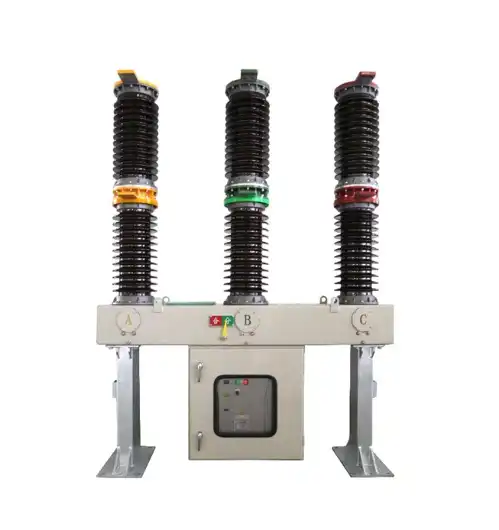
Yuguang Electric makes cutting edge automatic fuse breaker technology designed for tough industrial uses. The modern ZW32 series vacuum circuit breakers are part of our wide range of products. They are designed to work with systems ranging from 12kV to 40.5kV and are very reliable and don't need any upkeep. We offer customizable solutions backed by professional technical help and quick response service. We have 39 patents and ISO certifications. Email our team at ygvcb@hotmail.com to talk about your automatic fuse breaker needs and find out how our tried and true solutions can make your electrical system safer and more efficient.
References
1. Institute of Electrical and Electronics Engineers. "IEEE Standard for AC High-Voltage Circuit Breakers Rated on a Symmetrical Current Basis." IEEE C37.06-2009.
2. International Electrotechnical Commission. "Low-voltage switchgear and controlgear - Part 2: Circuit breakers." IEC 60947-2:2016.
3. National Electrical Manufacturers Association. "Molded Case Circuit Breakers, Molded Case Switches, and Circuit Breaker Enclosures." NEMA AB 1-2016.
4. Underwriters Laboratories. "Molded-Case Circuit Breakers, Molded-Case Switches, and Circuit-Breaker Enclosures." UL 489 Standard for Safety.
5. American National Standards Institute. "IEEE Standard for Metal-Clad and Station-Type Cubicle Switchgear." ANSI/IEEE C37.20.2-2015.
6. Electric Power Research Institute. "Circuit Breaker Technology Assessment and Condition Monitoring Guidelines." EPRI Technical Report 1025269.

Send Inquiry
You may like
