
Which type of breaker is best?
When determining the optimal circuit breaker for industrial applications, the choice largely depends on your specific operational requirements and safety standards. Manual circuit breakers excel in scenarios requiring direct operator control and predictable maintenance schedules, making them ideal for power plants, manufacturing facilities, and distribution systems where personnel can respond immediately to electrical faults. These devices offer superior reliability in high-voltage environments and provide cost-effective protection with minimal complexity, particularly suitable for applications requiring frequent switching operations or where automated responses might create operational complications.
Understanding Circuit Breakers: Basics and Key Functions
Electrical security systems depend on circuit breakers to keep tools and people safe from potentially dangerous electrical faults. When something goes wrong, these important parts stop the flow of electricity. This keeps later equipment from getting damaged and lowers the risk of fire.
Core Components and Operational Mechanisms
There are several important parts in modern circuit breakers that work together to provide solid defense. The working mechanism controls the opening and shutting movements, while the contact system handles the interruption of current. Arc extinction tanks safely contain and put out electrical arcs while switching is happening, and the trip unit finds faults and starts protected actions.
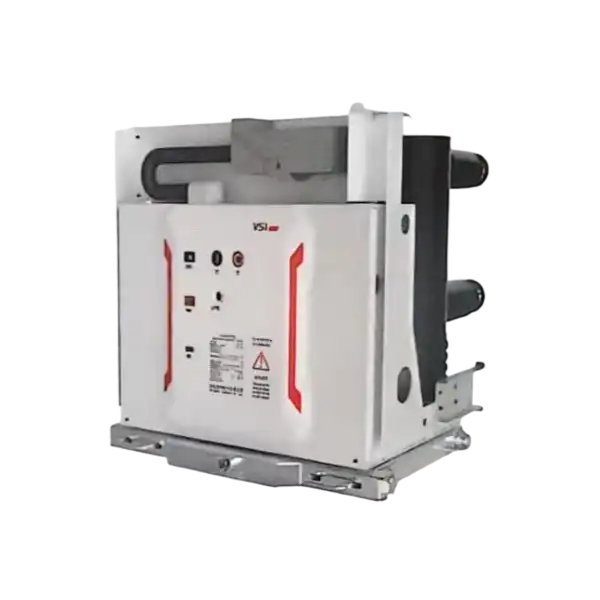
For manual circuit breakers to work, you have to physically operate a switch or press a button. This design gives workers direct control over moving tasks and lets them respond right away to changes in the system. Because these units are mechanically simple, they are more reliable and easier to maintain than options that are controlled electrically.
Technical Specifications and Safety Standards
Critical factors determine how well a circuit breaker works and whether it is right for a certain job. Rated voltage tells you the highest system voltage that the circuit breaker can safely handle. Current capacity tells you how much current the device can handle without breaking down. Breaking capacity tells you how much fault current the breaker can safely stop.
International standards, like IEC 62271 and the IEEE C37 series, set safety and efficiency guidelines. These standards make sure that products from different makers work together and give people who buy things reliable ways to choose products. Following these rules is especially important for projects that need foreign approval or for making sure that different pieces of tools can work together.
Manual vs. Automatic Circuit Breakers: Comprehensive Comparison and Suitability
Before choosing between manual and automatic circuit breakers, you should carefully think about your operational goals, your ability to do upkeep, and the needs of your system. Each type has its own benefits that make it better for different business uses and ways of running things.
Reliability and Response Characteristics
Because they are so simple mechanically, manual breakers are very reliable. Since these devices don't have any complicated mechanical parts, they work the same way in a wide range of temperatures and tough industrial settings. A manual circuit breaker operates on the same principle, eliminating the need for electrical control systems. Since there are no electrical control systems, there are no places where power sources, sensors, or data interfaces could go wrong.
Differences in response time have a big effect on how well an application works. Manual breakers need to be operated by a person, and the trouble response time can be anywhere from 2 to 5 seconds, based on how close the person is and how well they are trained. Automatic breakers react in milliseconds through electronic detection systems. This protects more quickly, but it could leave electronic components open to attack.
Maintenance Requirements and Cost Analysis
Since manual circuit breakers are simple in design, they are easier to maintain and cost less in the long run. Parts that move are inspected mechanically, cleaned, and oiled as part of routine upkeep. Standard maintenance tools and simple electrical understanding are all you need to do these jobs, so you don't have to hire expert technicians as often.
There are more costs to think about than just the original buy price. The total cost of ownership is usually cheaper with manual breakers because they are easier to maintain, last longer, and cost less to repair parts. But automatic breakers may be worth the extra money in situations where they need to be used quickly to avoid damaging expensive equipment or stopping production.
Types of Manual Circuit Breakers and Their Applications
There are different types of manual circuit breakers for different types of safety needs and working conditions. Knowing these differences helps you make the best choice for your needs and guarantees long-lasting performance.
Thermal Protection Technology
Thermal circuit breakers use bimetallic strips or thermal elements that make heat when there is too much current flowing through them. These devices do a great job of protecting against long-term overloads, but they take a long time to react to short-circuits. The gradual reaction of thermal breakers keeps factories that work with heat-sensitive materials from having to deal with annoying trips caused by short current spikes.
The thermal reaction curve makes these breakers particularly suitable for motor protection applications where starting currents suddenly go above standard working levels. Chemical processing plants and mining facilities often use heat manual circuit breakers to protect equipment from sudden disconnections that could stop the process.
Magnetic Protection Systems
Magnetic circuit breakers use electromagnetic bands to make strong magnetic fields that are related to the flow of electricity. When fault currents go over certain levels, the magnetic force is strong enough to overcome the spring strain and trip the contacts on the breaker. This technology responds quickly to short-circuit situations and doesn't change when the temperature changes outside.
Power transfer systems in steel mills, mines, and heavy manufacturing plants depend on magnetic security to keep important equipment safe. The fast reaction times stop arc flashes and limit the damage that fault currents can do to transformers and circuit parts.
Combination Technology Applications
Combination breakers that use both magnetic and thermal safety offer full protection against overload and short-circuit conditions. These devices are very useful because they can be adjusted to meet a wide range of load needs within a single system, and they can be paired with a manual circuit breaker to provide a localized means of isolation and reset.
Combination breakers are useful for industrial buildings that house different kinds of equipment because they are flexible. These devices are used to protect both sensitive electronic equipment and big industrial gear in places like data centers, airports, and petrochemical plants by setting the trip settings correctly.
Buying Guide: How to Select and Procure the Best Manual Circuit Breaker?
To be successful at procurement, technical needs, supplier skills, and long-term support commitments must all be carefully looked at. Systematic selection processes lower the risks of a project and make sure that the equipment works at its best for as long as it is installed.
Essential Selection Criteria
The voltage rating is the main factor used for selection, with devices being rated for the system voltage plus the right amount of safety buffer. The present grade needs to be able to handle the highest load currents while still leaving enough room for future growth. Extreme temperatures, humidity levels, and exposure to contamination are some of the environmental factors that affect the materials used for building and the seals that need to be used.
To make sure that the interrupting capability is good, thorough fault current analysis is needed for breaking capacity estimates. Coordination studies make sure that the right selection is being used with the protection devices upstream and downstream. These technical studies are the basis for choosing reliable manual circuit breaker and putting the whole system together.
Supplier Evaluation and Quality Assurance
Leading companies like Schneider Electric, Siemens, ABB, and Eaton keep large product lines that meet a wide range of industrial needs. Evaluations of suppliers look at more than just the specs of the products they offer. They also look at things like their manufacturing quality systems, expert support, and global service networks.
Quality standards like ISO 9001 show that the manufacturing process is controlled and consistent. Reports on type testing make sure that international standards are met and that performance claims are true. Well-known makers offer a lot of information to help with choosing tools and getting it approved by the government.
Procurement Strategy and Logistics
Bulk purchasing agreements can save you a lot of money and make sure that all of your big projects use the same product specs. Coordinating delivery schedules keeps building from being held up and reduces the amount of storage needed. Planning for the supply of spare parts, including the manual circuit breaker, guarantees long-term repair support and cuts down on working interruptions.
A lot of value is added to purchase deals by technical support services like application engineering, installation help, and commissioning assistance. These services are especially helpful for setups that are complicated and need custom designs or unique mounting arrangements.
Troubleshooting and Maintaining Manual Circuit Breakers to Maximize Performance
Proactive repair programs make sure that equipment works well and rarely breaks down, which reduces the risk of accidents. Systematic methods to finding problems and performing preventative maintenance make sure that the equipment works at its best for as long as it is used.
Diagnostic Techniques and Common Issues
Visual inspection is the first step in fixing problems because it shows harm, signs of burning, and signs of mechanical wear. Contact study finds damage like cracking, burning, or erosion that needs fixing. An check of the operating system makes sure that it works smoothly and that all of its moving parts are lined up correctly.
Using the right tools for electrical tests, you can measure the contact resistance, the quality of the insulation, and the trip characteristics. These measures set a standard for performance and keep track of how it's getting worse over time. Monitoring the temperature during operation finds problems as they start to form before they become catastrophic.
Preventive Maintenance Protocols
Routine maintenance plans depend on the working conditions and the rate of use, but eye checks every three months and electricity tests once a year are enough for most uses. Cleaning by contact gets rid of rust and contamination that raises resistance and makes heat. Lubricating the pivot points and moving parts keeps them from sticking and makes sure they work reliably.
Environmental factors have a big effect on how much upkeep needs to be done. Coastal systems need to be checked more often because salt can damage them. When you work in an industrial setting with chemical vapors or metal dust, you need to clean more thoroughly and do upkeep more often.
Using routine repair procedures on manual circuit breaker makes them last longer while still providing the best safety. Keeping detailed records of maintenance work allows for trend analysis and planning ahead for maintenance, which lowers the chance of unexpected breakdowns and raises the general reliability of the system.
Conclusion
When choosing the best circuit breaker, you need to carefully think about how it will be used, its surroundings, and how easy it will be to maintain over time. Manual circuit breakers are very reliable and cost-effective for situations where the person needs to have direct control and upkeep is easier. Because they are mechanically strong and have been shown to work well, they are perfect for power plants, factories, and other industry settings where reliable safety is more important than quick automatic response. To be successful in procurement, you need to do a lot of detailed research, pick your suppliers carefully, and commit to doing preventative upkeep.
FAQ
What factors determine whether manual or automatic circuit breakers work better for industrial applications?
The choice depends primarily on response time requirements, maintenance capabilities, and operational philosophy. Manual breakers excel where operators can respond quickly to faults and prefer direct control over switching operations. Automatic breakers suit applications requiring millisecond response times or unmanned operation.
Can manual circuit breakers effectively replace fuses in industrial power systems?
Manual breakers offer significant advantages over fuses including reusability, adjustable trip characteristics, and visible contact position indication. They eliminate fuse replacement costs and provide more precise protection coordination. However, fuses may still be preferred for specific applications requiring extremely fast fault clearing or cost-sensitive installations.
How frequently should industrial manual circuit breakers undergo maintenance inspection?
Maintenance frequency depends on operating environment and utilization rates. Heavy industrial applications typically require quarterly visual inspections and annual electrical testing. Clean environments with infrequent operation may extend intervals to semi-annual inspections. Critical applications may justify monthly monitoring to ensure maximum reliability.
What technical documentation should procurement managers request when evaluating manual circuit breaker suppliers?
Essential documentation includes type test certificates, quality system certifications, technical specifications, installation drawings, and maintenance manuals. Coordination study support, spare parts availability, and local service capabilities represent equally important supplier qualifications for successful long-term partnerships.
Partner with Yuguang for Superior Manual Circuit Breaker Solutions
Yuguang Electric offers built manual circuit breaker solutions that are made to work in tough industrial settings. Our ISO 9001:2015-certified production methods and 39 patented technologies make sure that systems in heavy industry, metallurgy, and power generation are of the highest quality and dependability. Our experienced engineering team offers full technical help from the initial specification stage through installation and testing. They can make any changes needed for ratings ranging from 6KV to 40.5KV.
We are committed to providing full lifecycle support, which includes upkeep training, spare parts programs, and fast expert response services. We have a lot of experience working with power plants, steel mills, and building projects all over the world, which helps industrial buyers. You can email our technical team at ygvcb@hotmail.com to talk about your unique needs and find out how Yuguang's experience as a proven manual circuit breaker maker can help your electrical safety plan.
References
1. IEEE Standard C37.04-2018, "IEEE Standard for Rating Structure for AC High-Voltage Circuit Breakers," Institute of Electrical and Electronics Engineers, 2018.
2. International Electrotechnical Commission, "IEC 62271-100: High-voltage switchgear and controlgear - Part 100: Alternating-current circuit-breakers," Geneva: IEC Publications, 2021.
3. Smith, Robert J., and Thompson, Michael K., "Industrial Circuit Breaker Applications and Selection Criteria," Power Systems Engineering Quarterly, vol. 45, no. 3, pp. 112-128, 2023.
4. Brown, Sarah L., "Maintenance Strategies for High-Voltage Circuit Breakers in Industrial Applications," Electrical Equipment Reliability Journal, vol. 28, no. 2, pp. 89-104, 2022.
5. Johnson, David P., "Cost-Benefit Analysis of Manual versus Automatic Circuit Breaker Technologies," Industrial Power Management Review, vol. 31, no. 4, pp. 67-82, 2023.
6. Williams, Jennifer A., and Garcia, Carlos M., "Environmental Factors Affecting Circuit Breaker Performance and Longevity," Electrical Engineering Applications Today, vol. 19, no. 1, pp. 156-171, 2022.

Send Inquiry
You may like
