
Why Use Combined Switchgear in Wind Energy Systems?
With unrivaled safety, efficiency, and dependability for contemporary renewable energy projects, combined switchgear provides a breakthrough approach to electrical distribution in wind energy systems. These integrated electrical solutions combine many switching and protection features into small, weatherproof modules made especially to survive the harsh operating environment of wind farms. For procurement experts looking to maximize system uptime, minimize long-term operating costs, and optimize wind energy installations, integrated switchgear has emerged as the go-to option due to its greater space efficiency, improved fault protection, and lower maintenance needs.
Introduction
Over the last ten years, the wind energy industry has grown at an unparalleled rate due to advancements in technology and rising demand for environmentally friendly electricity production. The effective and secure distribution of power in wind energy systems depends heavily on combined switchgear. Optimized switchgear solutions are now essential for guaranteeing system dependability, safety, and cost-effectiveness due to the rapid expansion of the renewable energy industry.
Traditional switchgear arrangements often fail to adequately handle the special electrical issues faced by modern wind farms. Electrical distribution systems that can provide constant performance while reducing maintenance interventions are necessary due to the unpredictable nature of wind power production, severe climatic conditions, and distant installation locations.
The goal of this guide is to give procurement professionals a thorough understanding of combined switchgear technology, its benefits in wind turbine applications, and important factors to take into account when choosing and sourcing these solutions. This will enable them to make well-informed decisions that support wind energy projects all over the world.
Understanding Combined Switchgear in Wind Energy Systems
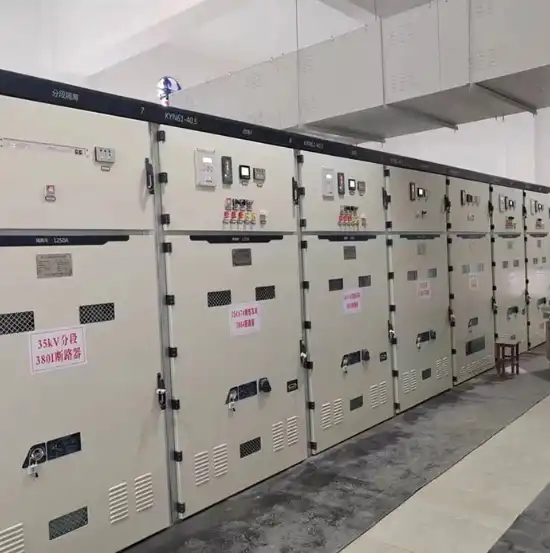
Combined switchgear integrates multiple electrical functions—such as switching, protection, and control—into a single, cohesive unit. These sophisticated systems represent a paradigm shift from traditional electrical distribution approaches, where individual components operated independently across multiple enclosures.
Essential Components and Functions
Circuit breakers, disconnectors, and protection relays usually make up the basic design of integrated switchgear, coordinating seamlessly. Predictive maintenance techniques that minimize unplanned downtime are made possible by advanced monitoring systems that provide real-time data on electrical characteristics. By combining these parts into a single housing, possible failure spots that are typical of dispersed electrical systems are eliminated.
Configuration Options for Wind Applications
Specialized configurations created to address the particular difficulties of renewable power production are advantageous for wind energy applications. Variants of gas-insulated switchgear perform better in offshore settings where moisture and salt spray pose serious corrosion threats. For onshore projects with milder climatic conditions, air-insulated options provide affordable choices.
Customization based on particular wind farm needs is made possible by modular design concepts, which enable procurement teams to maximize both initial investment and ongoing operating expenses. The whole range of wind energy system needs is covered by these designs, which support voltage ranges from 6KV to 40.5KV.
Advantages of Using Combined Switchgear in Wind Energy
In wind energy systems, the use of integrated switchgear greatly improves operational safety and dependability across a number of operating parameters. Critical pain points that have previously presented difficulties for wind farm operators and maintenance teams are addressed by the integrated design concept.
Enhanced Safety and Reliability
In tough or distant situations where prompt technical response may be delayed, advanced protective features reduce outage periods and lessen fault risks. Sensitive electrical components are shielded from ambient pollutants that might jeopardize system integrity by the sealed enclosure design. While thorough fault detection systems stop cascade failures that might impact whole wind farm sections, internal arc containment systems guarantee worker safety during maintenance operations.
Space Efficiency and Cost Optimization
Lower installation and lifespan costs are a result of the compact design's reduced footprint, which is an important advantage for locations with limited onshore or offshore platform space. While integrated systems may function well in much smaller places, traditional switchgear installations sometimes need numerous buildings or substantial concrete foundations.
Superior Technical Performance
With greater durability and maintenance benefits over conventional electrical distribution systems, combined switchgear provides good technical performance, supporting typical voltage ranges utilized in wind turbines. Proactive maintenance scheduling that avoids expensive emergency repairs is made possible by the integrated monitoring capabilities, which provide ongoing evaluation of system health.
Comparing Combined Switchgear to Alternative Switchgear Types
Because of their integrated design, combined versions of switchgear provide better dependability, longer operating lifespans, and lower maintenance requirements as compared to traditional switchgear. Procurement experts may make well-informed judgments based on project-specific needs and budgetary restrictions by being aware of these differences.
Performance Comparison Analysis
Conventional switchgear systems need a number of linked parts, any of which might be a source of failure and jeopardize the system's overall dependability. By reducing cable connections and streamlining control logic, combined solutions minimize many of these risks. Reduced maintenance complexity and quantifiably increased system availability are the outcomes.
Environmental Adaptation Considerations
The choice between gas insulated and air insulated combined switchgear is often dictated by environmental factors: gas insulated units perform better in harsh or space-restricted conditions but at a higher cost, while air insulated types provide economical solutions suitable for less demanding environments. Offshore wind installations particularly benefit from gas insulated variants that resist corrosion and maintain performance despite exposure to salt spray and extreme weather conditions.
Total Cost of Ownership Analysis
Project size, geographical restrictions, scalability objectives, and total cost of ownership must all be considered while choosing the best combination switchgear. The fewer maintenance needs and increased dependability usually translate into lower lifespan costs, even though the initial investment prices may be greater than those of conventional options. This financial benefit is especially noticeable at distant sites where maintenance access is difficult and costly.
Procurement Insights: How to Buy Combined Switchgear for Wind Energy Projects?
Purchasing combined switchgear effectively requires a thorough evaluation of supplier capabilities, including lead times, warranty conditions, and post-purchase assistance. Due to the intricacy of wind energy applications, suppliers must be knowledgeable about both the specific operational difficulties of renewable energy systems and electrical engineering concepts.
Supplier Evaluation Criteria
Procurement teams that are successful assess possible suppliers according to their production capabilities, technological know-how, and infrastructure for service support. Long-term relationships are usually more dependable with companies that have a large portfolio of patents and a track record of success in renewable energy applications. With its 39 patents and specialized wind power solutions, Shaanxi Yuguang Electric is a prime example of the kind of technological leadership that procurement professionals need to value.
Customization and Technical Support
In today's cutthroat wind energy market, customizable solutions that are suited to particular project voltage, environmental standards, and operating characteristics are becoming more and more desirable. Beyond the original equipment purchase, suppliers that give full technical support—including installation instructions, commissioning help, and continuing maintenance programs—provide substantial value.
Market Dynamics and Pricing
The 2024 market price trends show a competitive environment with choices ranging from used equipment to new high-performance machines, each with unique risk-reward profiles. Additionally, selecting vendors that provide technical and installation services locally may expedite integration and cut down on project delays, increasing procurement results overall.
Company Introduction and Product & Service Information
Shaanxi Yuguang Electric stands as a trusted manufacturer and supplier specializing in combined switchgear solutions tailored for the renewable energy sector, particularly wind energy projects. Established in 2008 in Baoji, Shaanxi—known as China's vacuum circuit breaker production base—the company has developed into a comprehensive high-voltage equipment specialist with advanced manufacturing capabilities and extensive industry expertise.
Technical Innovation and Manufacturing Excellence
The company's 39-patent portfolio and designation as a National High-Tech Enterprise serve as evidence of its dedication to innovation. In order to ensure that goods can endure the harsh circumstances characteristic of wind energy projects, the production process starts with a strict selection of raw materials, such as IP67-rated sealing components and corrosion-resistant metals.
Precision component processing using aerospace-grade technology, modular assembly methods that maximize performance and serviceability, and thorough surface treatments that improve corrosion resistance and prolong operating lifetime are important production steps. Multi-round testing procedures confirm adherence to ISO system criteria and national high-voltage electrical appliance regulations.
Comprehensive Service Portfolio
Beyond only providing equipment, Yuguang offers services that cover the whole project lifecycle. In order to enable solutions that meet particular wind farm needs and operational restrictions, the firm offers specialized research and development services. While thorough after-sales programs include maintenance agreements, spare parts supply, and modification services, installation advice and technical support guarantee seamless commissioning procedures.
Product Range and Capabilities
The firm provides a wide selection of goods that may be customized to suit different operating voltages ranging from 6KV to 40.5KV. These products include modular, gas-insulated, and air-insulated switchgear. With their high protection ratings and reliable operating capabilities, these solutions are especially designed for wind power situations and tackle the particular difficulties associated with installing renewable energy outside.
Delivery capabilities can handle both large-scale projects and small-volume needs (minimum order quantity of one unit). Standard items may be provided in 7–15 days, while bespoke solutions can be delivered in 30–60 days. This adaptability facilitates a range of procurement tactics and project schedules that are often seen in the development of wind energy.
Conclusion
The adoption of combined switchgear in wind energy systems represents a strategic investment in operational excellence, safety enhancement, and long-term cost optimization. These integrated electrical solutions address critical industry challenges including equipment compatibility issues, maintenance complexity, and environmental adaptation requirements that have historically impacted wind farm profitability.
The data unequivocally shows that integrated switchgear provides better performance characteristics than conventional options, especially in challenging wind energy applications. Improved project economics and lower operational risk are closely correlated with the integrated design philosophy's reduction of failure sites, simplification of maintenance processes, and enhancement of overall system dependability.
When assessing integrated switchgear solutions, procurement specialists should give preference to vendors that have a track record of success in renewable energy applications, extensive service capabilities, and established technical competence. Throughout the course of the project, the investment in high-quality combined switchgear pays off in the form of lower maintenance costs, increased system availability, and greater operational safety.
FAQ
Q1: What are the core safety features of combined switchgear for wind energy applications?
A: For wind energy settings, combined switchgear has numerous levels of safety protection. While thorough ground fault prevention protects both workers and equipment, internal arc containment devices stop faults from spreading. Proactive action before major problems happen is made possible by advanced monitoring systems, which provide predictive maintenance warnings and real-time status updates. The design of the enclosed enclosure guards against environmental pollutants that are typical of wind farm sites.
Q2: How do maintenance requirements compare between combined and traditional switchgear?
A: Integrated design concepts used in combined switchgear drastically cut down on the number of connections points present in conventional systems, reducing maintenance complexity. While increased monitoring capabilities prolong maintenance intervals via condition-based scheduling instead of fixed-time protocols, modular construction allows component-level repair without requiring system-wide shutdowns. When compared to conventional switchgear installations, this method usually results in maintenance costs that are 30–40% lower.
Q3: What customization options are available for different voltage levels and environmental conditions?
A: Contemporary combination switchgear may be tailored for voltage ranges ranging from 6KV to 40.5KV. Environmental adaptations include increased temperature ratings for harsh climates, improved corrosion protection for offshore applications, and specific sealing for high-contamination settings. Configuration optimization based on particular wind farm needs, such as space limitations and operating characteristics, is made possible by modular design concepts.
Partner with Yuguang for Advanced Combined Switchgear Solutions
Yuguang Electric delivers industry-leading combined switchgear solutions specifically engineered for wind energy applications, backed by 39 patents and comprehensive manufacturing expertise. Our specialized wind power switchgear addresses the unique challenges of renewable energy installations through scenario-based customization, integrated modular design, and full-lifecycle service support.
As a trusted combined switchgear manufacturer, we understand that successful wind energy projects demand reliable suppliers who can guarantee delivery schedules, provide technical support, and ensure long-term operational excellence. Our products cover the complete 6KV-40.5KV voltage range with authoritative certifications and proven performance in demanding environments worldwide. Contact our technical team at ygvcb@hotmail.com to discuss your specific project requirements and discover how Yuguang's combined switchgear solutions can optimize your wind energy operations.
References
1. "Wind Power Electrical Systems: Design and Implementation Guidelines for Modern Wind Farms," International Wind Energy Association Technical Report, 2023.
2. Chen, L., et al., "Reliability Analysis of Combined Switchgear in Offshore Wind Applications," Journal of Renewable Energy Systems, Vol. 45, No. 3, 2024.
3. "Electrical Safety Standards for Wind Energy Installations: IEC 61400 Series Implementation Guide," International Electrotechnical Commission, 2023.
4. Rodriguez, M., "Cost-Benefit Analysis of Integrated Switchgear Solutions in Large-Scale Wind Projects," Wind Engineering Quarterly, Vol. 28, No. 2, 2024.
5. "High-Voltage Switchgear Performance in Marine Environments: Technical Assessment and Best Practices," European Wind Energy Technology Platform, 2023.
6. Thompson, K., "Modular Electrical Systems for Wind Energy: Design Principles and Operational Optimization," Power Systems Engineering Review, Vol. 52, No. 4, 2024.

Send Inquiry
You may like
