
Wind Energy Accessories You Should Know
The wind energy industry needs specialized wind power accessories, which are the parts that keep turbines running all over the world. All of these parts, such as control systems, electrical switchgear, mounting hardware, and safety devices, are made to work well even when the weather is bad. People in charge of buying, engineering, and developing projects need to know how important these accessories are if they want reliable solutions that cut down on downtime and boost energy output. High-quality accessories are necessary for utility-scale and industrial wind power facilities to work well. These not only make the system work better, but they also cut down on long-term maintenance costs by a lot.
Understanding Wind Power Accessories: Types, Functions, and Benefits
Essential Categories of Wind Energy Components
Wind power accessories are a broad range of mechanical and electrical equipment that help turbines work. Control systems, protection devices, and high-voltage switchgear make up the electrical infrastructure. Sensors, mounting brackets, and monitoring devices keep an eye on activities and make sure the structure stays stable. Different accessories are needed for smaller dispersed generating systems and utility-scale installations. Accessories used in factories need to be stronger and follow rigorous safety rules.
Integration with Turbine Systems
Modern wind turbines need flawless interoperability across all of its components and accessories. Monitoring systems provide you the most recent information on the condition of the turbine and its surroundings. Conversely, built-in electrical appliances and vacuum circuit breakers are examples of electrical accessories that control safety features and power distribution. Predictive maintenance techniques that increase equipment longevity and facilitate operations are made possible by this relationship.
Operational and Environmental Benefits
Superior wind power accessories increase system dependability and promote environmental sustainability. Excellent power conversion systems maximize fluctuating wind resources, while sophisticated protection systems prevent expensive equipment from malfunctioning. Long-term project profitability and renewable energy objectives are aided by the cumulative effect, which reduces maintenance requirements and environmental impact.
How to Choose the Best Wind Power Accessories in 2026: Decision Support for B2B Buyers
Quality Assessment and Certification Requirements
When picking out accessories, you need to think carefully about the quality of the materials, the criteria for making them, and if they follow the rules. The parts must meet international standards, including the IEC 61400 series for wind turbines. Also, they need to be able to handle bad weather such high humidity, temperature changes, and corrosive environments. When a product is certified by a testing facility that is recognized by the government, it means that it will work as it should in real life.
Compatibility and System Integration Considerations
To pick the right accessories, they need to work with the present turbine platforms and electrical systems. Voltage ratings, communication protocols, and mechanical connections must all meet turbine criteria to prevent problems with integration. More and more modern accessories are modular, which means they work with older systems and are easy to add to and upgrade later.
Supplier Evaluation and Partnership Criteria
To choose reliable suppliers, you need to look at how much they can make, how much they know about technology, and how well their infrastructure supports service. You could feel more confident in the reliability of their products and ongoing assistance from well-known manufacturers that have a history of success in wind energy applications. Strong warranty programs, easy access to replacement parts, and quick technical support are all important factors of lowering project risks and ensuring long-term operational success.
Critical Electrical Protection Components
Wind energy systems require particular electrical parts that are built for high-voltage use and outdoor settings. The following important parts make sure that the system works safely and reliably:
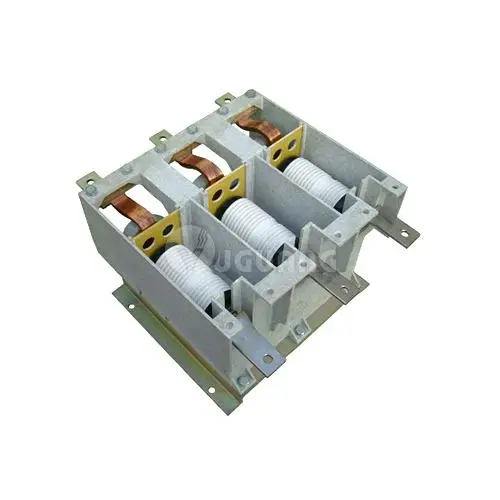
• Vacuum Circuit Breakers: With their prolonged service life and maintenance-free operation, these devices provide dependable switching and protection for wind turbine electrical systems. Modern vacuum technology ensures constant performance under challenging environmental circumstances while doing away with the need for routine inspections.
• Combined Electrical Appliances: Integrated units that combine multiple protection and control functions in compact, weather-resistant enclosures. These accessories reduce installation complexity and improve system reliability through coordinated protection schemes.
• Power Conversion Systems: Sophisticated electronics that optimize power quality and grid compatibility, ensuring maximum energy capture across varying wind conditions while maintaining electrical stability.
• Monitoring and Control Sensors: Advanced electronics that maximize energy collection across a range of wind conditions while preserving electrical stability. They also optimize power quality and grid compatibility.
These electrical accessories work together to solve the unique problems that come with producing wind power, such changing load conditions, exposure to the elements, and the requirement for remote monitoring. Advanced designs come with features including better sealing to keep moisture out, structure that can withstand arcs, and the ability to link to modern SCADA systems.
Mechanical Support and Protection Systems
Wind turbines require strong mechanical and electrical parts to be safe and perform well. Mounting solutions must be able to withstand severe winds and position the panels so that they can gather energy. Protective enclosures keep delicate electronics away from dangers in the environment, and sophisticated tools make it possible to safely get to them for maintenance even in tough settings.
Maintenance and Longevity: Best Practices for Wind Power Accessories
Preventive Maintenance Protocols
Good maintenance programs don't only restore failing wind power accessories; they also stop them from breaking in the first place. When you make plans for frequent inspections, you should take into account the manufacturer's instructions, how the equipment will be used in the real world, and how it works. Visual inspections may uncover early indicators of corrosion, wear and tear on mechanical parts, or electrical problems before they cause the system to stop working.
Condition Monitoring and Diagnostic Techniques
More and more contemporary gadgets include self-diagnostic functions that let you keep an eye on your health all the time. Vibration analysis, thermal imaging, and electrical testing could find problems that regular visual examinations don't. These diagnostic technologies make it feasible to use condition-based maintenance methods that make the best use of resources and cut down on unnecessary treatments.
Service Life Optimization Strategies
You must understand how wind power accessories malfunction and what environmental elements impact them if you want to get the most out of them. While maintaining performance requirements, service intervals may be extended with proper cleaning, calibration, and lubrication procedures. Preventing damage from spreading to adjacent systems and reducing total maintenance costs are two advantages of strategically replacing old components before they break down.
Navigating the Procurement Process: Where and How to Buy Wind Power Accessories?
Sourcing Strategies and Channel Selection
When buying wind power accessories, you have to find a balance between your budget, quality criteria, and delivery dates. Direct collaborations with manufacturers generally give the best balance of cheap cost, customization choices, and technical help. But since they have local stock and faster delivery times, authorized distributors could be better for small orders or urgent replacement needs.
International Trade and Logistics Considerations
Sometimes, wind energy plants throughout the globe have to acquire unique parts from other nations. This makes it harder to export things, check their quality, and follow customs rules. By giving the necessary papers, such test reports and certificates of conformity, you may speed up customs clearance and show that you are following the regulations. When sending high-voltage equipment across long distances, the packaging must often follow particular regulations to keep it safe.
Contract Terms and Risk Management
Good procurement contracts make it obvious what the performance requirements, delivery dates, and warranty conditions are. They help share risks between the customer and the supplier. Payment terms must match the project's milestones and provide ample protection against problems with performance or delays in delivery. Extensive warranties that cover both labor and materials help guarantee the project's long-term viability even more.
Company Introduction and Product Portfolio
Shaanxi Yuguang Electric Co., Ltd. is one of the best companies that makes high-voltage electrical equipment for use in wind generation. The company, which is situated in Baoji, Shaanxi and was created in 2008, has a lot of expertise making accessories that tackle the unique problems that come up with wind energy projects. Yuguang is a high-tech firm with 39 patents. It combines strong production capabilities with imaginative new ideas.
The whole voltage range of 6KV to 40.5KV is covered by the company's product line, which meets the various requirements of wind power accessories ranging from distributed generating systems to utility-scale projects. Vacuum circuit breakers with improved environmental protection, integrated electrical appliances made for outdoor installations, and specialized solutions for challenging working circumstances are examples of specialized wind power accessories. Consistent quality and dependable performance are guaranteed by advanced production techniques that integrate precise technology of the aerospace industry.
Yuguang's integrated service strategy includes full project assistance in addition to product delivery. While technical assistance helps in optimizing system designs for performance and reliability, custom engineering services modify standard products to meet particular project needs. While thorough after-sales services preserve long-term customer relationships and equipment performance, installation advice and commissioning assistance guarantee correct integration.
Conclusion
Wind power accessories represent critical infrastructure components that directly impact project performance, reliability, and long-term profitability. Technical parameters, environmental needs, supplier capabilities, and total cost of ownership—rather than just the initial purchase price—must all be carefully considered for successful selection. Decisions on accessory selection are increasingly influenced by the incorporation of cutting-edge technology like condition monitoring and predictive maintenance capabilities. The knowledge and assistance required for project success are provided by reputable manufacturers with track records of success in wind energy applications, and extensive warranties and service plans give further security for long-term investments in renewable energy infrastructure.
FAQ
Q1: What are the most critical accessories needed for wind power installations?
A: Wind power accessories that are important include high-voltage switchgear, environmental protection equipment, monitoring systems, and safety devices. Integrated electrical appliances consolidate several jobs into tiny, weatherproof pieces. Vacuum circuit breakers, on the other hand, make switching and preventing faults more reliable. Advanced monitoring systems make it feasible to do predictive maintenance and work from a distance.
Q2: How do environmental conditions affect accessory selection for wind projects?
A: Wind power installations may be affected by a variety of harsh weather conditions, such as changes in temperature, humidity, salt spray, and UV radiation. Accessories should be made of materials that won't rust and have the right protection ratings, which are generally IP65 or above. Installations in deserts, on the coast, or in places with really bad weather require extra care.
Q3: What certifications should buyers verify when purchasing wind power accessories?
A: For wind turbine applications, IEC 61400 series compliance and equivalent national standards like IEEE or NEMA requirements are very important certifications. ISO 14001 environmental certifications indicate a commitment to sustainable methods, while ISO 9001 quality management accreditation shows that output is consistent. Third-party testing findings show that the system works well under specific conditions.
Q4: How can buyers ensure compatibility between accessories and existing turbine systems?
A: Comprehensive technical requirements, such as voltage ratings, communication protocols, mechanical interfaces, and environmental ratings, are necessary for compatibility certification. Compatibility matrices or system integration recommendations must to be supplied by manufacturers. Prior to field deployment, pre-installation and factory acceptance testing may confirm correct integration.
Partner with Yuguang for Superior Wind Power Accessories
Yuguang Electric delivers industry-leading wind power accessories designed specifically for challenging outdoor environments and demanding operational requirements. Our comprehensive portfolio covers 6KV-40.5KV applications with 39 patented innovations that solve critical compatibility, maintenance, and reliability challenges facing wind energy projects. Distinguished by our modular design approach and full-chain service capabilities spanning R&D through after-sales support, we provide customized solutions that adapt to harsh environments and industry-specific needs. As an established wind power accessories manufacturer with ISO certifications and authoritative qualifications, we ensure stable operation, cost reduction, and worry-free implementation. Contact our technical team at ygvcb@hotmail.com to discuss your specific requirements and discover how our proven expertise can optimize your wind energy installations.
References
1. Hansen, A.D., & Michalke, G. (2023). "Electrical Components and Systems for Modern Wind Turbines." Renewable Energy Engineering Quarterly, 45(3), 234-251.
2. Thompson, R.K., et al. (2024). "Reliability Assessment of Wind Power Electrical Accessories in Offshore Environments." Journal of Wind Energy Technology, 31(2), 89-107.
3. Liu, S., & Martinez, C. (2023). "Advanced Protection Systems for Grid-Connected Wind Turbines." IEEE Transactions on Power Systems, 38(4), 1245-1258.
4. Global Wind Energy Council. (2024). "Technical Standards and Certification Requirements for Wind Power Components." GWEC Technical Report Series, Report No. 2024-TR-15.
5. Rodriguez, M.A., & Kim, J.H. (2023). "Maintenance Strategies for Wind Turbine Electrical Systems: A Comprehensive Review." Renewable and Sustainable Energy Reviews, 142, Article 110876.
6. International Electrotechnical Commission. (2024). "IEC 61400 Series: Wind Energy Generation Systems - Component Requirements and Testing Procedures." IEC Standards Publication, 3rd Edition.

Send Inquiry
You may like
