
Wind Energy Electrical Equipment Explained for Beginners
Wind energy electrical equipment, which transforms kinetic energy from the wind into useful electricity for grid distribution, is the essential component of modern wind generators. Generators, power converters, transformers, safety devices, and control systems are all parts of these complex systems that work together to make sure that energy conversion is done efficiently. When procurement professionals look for reliable electricity solutions for wind power projects, knowing about these parts helps them make smart choices that lead to optimal performance and long-term operating success.
Introducing Wind Energy Electrical Equipment
Wind energy electrical equipment is made up of a lot of different parts that work together to collect wind energy and turn it into electricity that can be sent through transmission and delivery networks. These systems have to work regularly in tough outdoor conditions and keep up high levels of efficiency for the whole time they are in use.
Core Components and Their Integration
Wind turbines' main electrical parts are generators, which turn the mechanical rotation into electricity, power electronic converters, which turn the variable AC output into stable electricity that can be used on the grid, and transformers, which raise the voltage levels so that they can be sent more efficiently. Protection equipment keeps electrical problems and overloads from happening, and control systems keep an eye on and improve performance.
Today's wind turbines have advanced tracking systems with sensors and data gathering systems that keep an eye on things like voltage, current, temperature, vibration, and performance factors. Predictive repair plans can be made with these tracking systems, which also help maximize energy output and keep expensive equipment from breaking down.
Voltage Level Classifications
For grid connection and transmission uses, wind energy electrical equipment usually works at voltages between 690V at the generator level and 40.5kV. Medium voltage equipment, which works with voltages between 6kV and 40.5kV, is an important part of wind farms' electricity infrastructure. It collects and sends power from each turbine to the main grid link point.
The right power level is chosen based on the size of the wind farm, the number of turbines, and the needs for connecting to the grid. Power can be sent over longer distances more efficiently with higher voltage systems, which also lower current levels and the losses that come with them in the electrical network.
Key Components and Their Functions Explained
Procurement professionals can better evaluate technical specs and make sure they meet project needs when they know how specific wind turbine electrical parts work and interact with each other.
Generators and Power Conversion Systems
Generators for wind turbines take the varying rotational energy from the blades and turn it into electricity. Most current systems use either doubly-fed induction generators or permanent magnet synchronous generators. Each has its own benefits when it comes to efficiency, control options, and upkeep needs.
Power electronic converters are very important for turning generators' changing frequency AC output into energy that can be used on the grid. There are rectifiers, DC link circuits, and inverters in these systems. They all work together to keep the voltage and frequency stable, even if the wind speed changes.
How well the generators and power exchange systems work together affects how efficient the whole system is and how well it can work with the grid. Utility companies need more and more features like low voltage ride-through, reactive power support, and grid stability, which can be made possible by new converter technologies.
Protection and Control Equipment
Electrical security systems keep parts of wind turbines safe from overcurrent, overvoltage, and fault situations that could damage the equipment or put people in danger. These systems have safety relays, surge arresters, circuit breakers, and disconnect switches that watch over electrical factors and act automatically when something goes wrong.
Control systems make sure that all electrical parts work together to get the most energy out of them while also making sure they are safe and working within their design limits. Modern control systems use complex formulas to keep track of highest power points, handle the needs for grid connections, and adapt to changing wind conditions.
For wind energy uses, these are the most important safety features:
- Sealing against the environment with IP67 grades to handle moisture, dust, and temperature changes that are common in outdoor setups
- The ability to put out arcs that are especially built for the switching characteristics of wind turbine electrical loads and fault conditions
- The modular design makes it easy to maintain and change parts without having to wait for long amounts of time
- Remote tracking integration lets workers check on the state and performance of equipment from main control rooms
These security features directly address the operational problems that wind farm owners face, especially when it comes to keeping the farms highly available and reducing the number of unplanned repair visits that lower energy production revenues.
Advanced Monitoring and Diagnostics
Modern Wind energy electrical equipment for wind energy uses smart monitoring systems to keep an eye on performance factors and spot possible problems before they cause the equipment to break down. IoT-enabled sensors, data analytics, and machine learning algorithms are used by these systems to make repair plans more efficient and predict how long parts will last.
Condition tracking technologies let operators switch from maintenance plans based on time to plans based on condition, which lowers maintenance costs and raises machine reliability. Advanced monitoring tools can find faults that are starting to show up in engines, converters, and safety equipment. This lets maintenance teams fix problems when they're supposed to be fixed, instead of waiting for emergencies to happen.
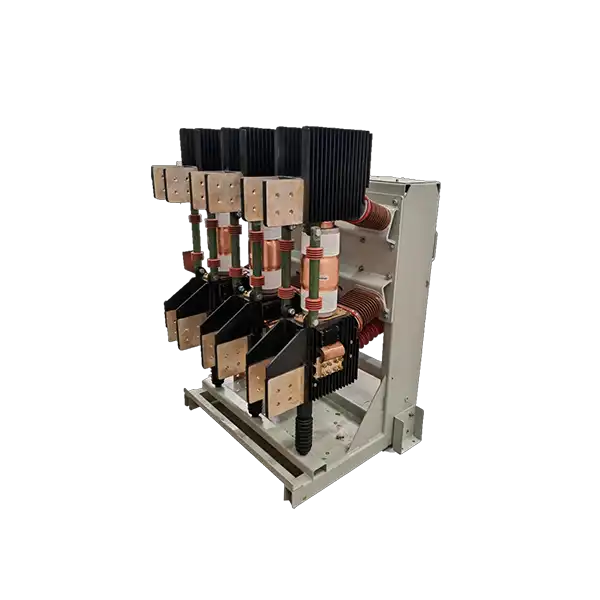
Comparing Wind Energy Electrical Equipment and Making Informed Decisions
When buying electrical tools for wind energy, it's important to carefully consider technical specs, dependability factors, and the ability to provide long-term support. Buyers can get better deals on equipment when they know the differences between kinds of equipment and makers.
Technical Performance Comparisons
The power ratings, voltage levels, and environmental standards of wind energy electrical equipment are very different from those of solar and other green energy systems. Compared to solar setups, wind turbine electrical systems have to deal with higher power levels and more changing working conditions. This calls for strong designs that are best for variable output profiles.
When making gear for wind applications, engineers usually make it stronger, better seal it against the elements, and use special protection methods that are meant to work with wind turbines. Because of these design factors, the starting prices are higher than with regular electrical equipment, but the equipment is more reliable and lasts longer in wind energy uses.
Manufacturer Selection Criteria
Leading companies that make electrical tools for wind energy have a history of being reliable, coming up with new technologies, and being able to provide help all over the world. Large, well-known companies usually have a wide range of products that can be used for all the different power levels and tasks that come up when building wind farms.
Yuguang Electric is a great example of the advanced skills that can be found from specialized makers. They make electrical equipment for wind power that has 39 patents and many certifications. Their combined modular design approach creates small solutions that are better at sealing and last longer, making them perfect for the harsh outdoor conditions that are common in wind farm setups.
The company offers full-chain services that include research and development, manufacturing, installation support, and service after the sale. These services cover all the needs of wind energy projects throughout their entire lifespan. This all-inclusive service model makes buying easier and makes sure that equipment gets consistent help throughout its useful life.
Scale and Application Considerations
When it comes to electrical tools, commercial wind energy systems are very different from smaller distributed generation uses. Utility-scale wind farms usually use medium voltage equipment between 6kV and 40.5kV, with advanced safety and control features to meet the needs of grid integration.
When choosing equipment, things like the size of the turbines, the layout of the wind farm, the needs for connecting to the power grid, and the local weather must all be taken into account. People who work in procurement should look at how well makers can make custom solutions that meet the needs of a particular project while still meeting industry standards and utility requirements.
Procurement and Sourcing of Wind Energy Electrical Equipment
For effective purchasing plans for wind energy electrical tools, you need to know what the provider can do, when they can deliver, and what kind of long-term help is needed. These factors affect the success of the project and how well it runs.
Supplier Evaluation and Selection
Reliable providers have a history of success in using wind energy, strong quality control systems, and the ability to help customers all over the world. Technical knowledge, the ability to make things, certification compliance, and references from similar projects should all be used as evaluation factors.
Quality certifications like ISO 9001, ISO 14001, and standards specific to the business give customers peace of mind that the manufacturing method and quality control systems are always the same. Companies that only compete on price usually don't offer as advanced or reliable of solutions as suppliers who have a lot of patents and keep spending money on research and development.
One important skill is being able to tailor answers to the needs of each project. This is especially important for projects with unique technical or natural conditions. Suppliers that offer scenario-based customization can help with problems like setups at high altitudes, extreme temperature ranges, or toxic conditions that go beyond what standard equipment can handle.
Delivery and Logistics Considerations
A lot of the time, wind energy projects have tight building plans that need to be matched with guaranteed supply dates and activities that coordinate with installation. Suppliers who can meet rushed delivery deadlines and provide expert support on-site during the testing stages are very helpful for completing a project.
Standard Wind energy electrical equipment for wind uses usually takes 7–15 days to arrive. Customized solutions, on the other hand, can take up to 30–60 days, based on how complicated they are and what specifications they need to meet. Suppliers who keep enough goods on hand and can make things in a variety of ways can meet the needs of customers with changing project timelines and pressing replacement needs.
International shipping is needed for global wind energy projects, and providers need to know about export paperwork, packing standards, and coordinating operations. Proper packing using shock- and moisture-resistant materials keeps equipment safe while it's being shipped and makes sure that foreign shipping rules are followed.
Cost Optimization Strategies
When purchasing wind energy electrical equipment, it's important to strike a balance between upfront costs and ongoing operating costs and dependability. The total cost of ownership study should look at how much the equipment costs to buy, how much it costs to put, how much it costs to maintain, and how long it is expected to work.
When you buy multiple turbine wind farms in bulk, you can save a lot of money and make sure that the equipment meets the same standards throughout the installation. But providers must show that they have enough production capacity and quality control skills to handle big orders without affecting delivery times or quality standards.
Warranty terms and the ability to provide help after the sale have a big effect on the long-term economics of a project by lowering maintenance costs and making tools more available. A full guarantee that covers installation instructions, maintenance agreements, spare parts supply, and change support is a great way to protect yourself from operating risks and unexpected costs.
Conclusion
Wind energy electrical equipment is a complex community of technologies that needs to be carefully thought out in terms of technical specs, environmental needs, and the ability to provide long-term support. For wind energy projects to be successful, it's important to buy solid electrical tools from suppliers with a lot of experience who know how to run wind farms. Using advanced tracking, protection, and control technologies together improves efficiency and makes sure safe and effective operation for longer periods of time. People who work in procurement who take the time to learn about these processes and build ties with reliable suppliers set up their projects for long-term success in the renewable energy market, which is always changing.
Partner with Yuguang for Advanced Wind Energy Electrical Solutions
Yuguang Electric is ready to help you with your wind energy projects by providing top-of-the-line electricity tools made just for wind power uses. Our wide range of products covers voltages from 6kV to 40.5kV and is backed by 39 patents and official certifications that guarantee steady performance in harsh wind farm settings. As a provider of wind energy electrical equipment with a lot of experience, we offer scenario-based customization, integrated flexible designs, and full-chain services that include everything from research and development to installation and support after the sale. Email our expert team at ygvcb@hotmail.com to talk about your unique needs and find out how our cutting-edge solutions can help your wind energy projects be more successful in the long run.
References
1. International Electrotechnical Commission. "Wind Energy Generation Systems - Part 1: Design Requirements." IEC 61400-1:2019 Standard Documentation.
2. Institute of Electrical and Electronics Engineers. "IEEE Standard for Electrical Power Systems in Wind Power Plants." IEEE 2800-2022 Standards Publication.
3. Global Wind Energy Council. "Global Wind Report 2024: Wind Power Technology and Market Analysis." Annual Industry Assessment Report.
4. American Wind Energy Association. "Wind Power Electrical Systems: Design, Installation, and Maintenance Guidelines." Technical Standards Manual, Third Edition.
5. Renewable Energy Laboratory. "Advanced Power Electronics for Wind Energy Applications: Research and Development Progress." National Technical Information Service Publication.
6. Wind Power Engineering & Development Magazine. "Electrical Equipment Reliability in Wind Turbine Applications: Industry Best Practices and Performance Analysis." Annual Technology Review, Volume 28.

Send Inquiry
You may like
