
Wind Energy Electrical Equipment Purchasing Tips
When you invest in wind energy projects, picking the right electrical gear can make or break your business. Wind energy electrical equipment is the most important part of any turbine system because it turns kinetic wind energy into reliable electricity. Each part, from generators and transformers to switchgear and control systems, is very important for getting the most energy out of the system while also making sure it is safe and lasts a long time. When procurement managers have to meet tight project deadlines and high performance standards, they need to know how to choose the right equipment, make sure it works with other things, and make sure their suppliers can be trusted.
Understanding Wind Energy Electrical Equipment: Key Components and Functions
Wind turbines use complex electrical systems to turn electricity from the wind into electricity that can be used on the grid. Generators, power converters, transformers, switchgear, and control systems are the main parts that all work together perfectly.
Essential Electrical Components in Wind Systems
Modern wind turbines have a number of important electrical parts that affect how well the whole system works. The generator turns mechanical rotation into electrical current. It is the main part of the energy conversion system. Power electronic converters control voltage and frequency, so the output stays stable even if the wind speed changes. While switchgear offers protection and control functions, wind energy electrical equipment like transformers raises voltage levels for effective transmission.
Knowing about these parts helps people who work in procurement make smart choices about what equipment will work with what and how well it needs to perform. To get the most out of efficiency and dependability, each part must work perfectly with the others.
Common Failure Modes and Prevention Strategies
When electrical equipment is used in wind applications, it has to deal with problems like changing temperatures, vibrations, moisture, and electromagnetic interference. The most common problems that happen in the field are generator bearing failures, converter overheating, and insulation breakdowns in transformers.
Some good ways to stop this from happening are to choose equipment with strong environmental protection ratings, use predictive maintenance programs, and make sure the right steps are taken when installing it. Quality parts with IP67 sealing and materials that don't rust greatly lower the number of failures and the cost of repairs over the life of the equipment.
How to Choose the Best Electrical Equipment for Your Wind Farm?
When choosing the right electrical equipment for a job, you need to carefully think about things like the site's conditions, the job's capacity needs, and the equipment's operational limits. When making a choice, many technical and business factors are taken into account.
Critical Selection Factors for Wind Applications
The environment is one of the most important factors in choosing equipment. When compared to onshore projects, offshore installations need better corrosion resistance and better sealing capabilities. Extreme temperatures, high or low humidity, and salt exposure all have a direct effect on how long equipment lasts and how often it needs to be maintained.
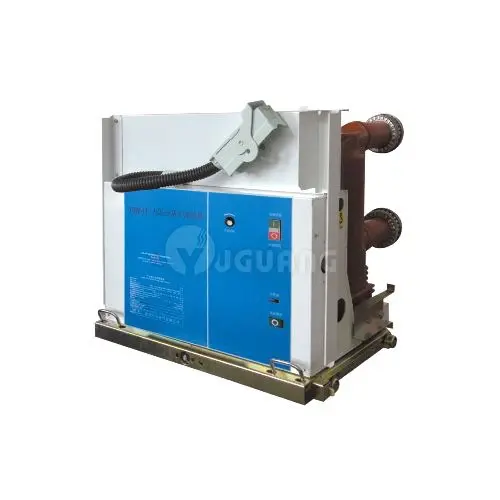
Capacity matching between the output of the turbine and the capabilities of the electrical system ensures the best performance in a range of wind conditions. Depending on the size of the project and how it needs to connect to the grid, voltage levels are usually between 6KV and 40.5KV. The right size keeps equipment from getting stressed and makes energy capture as efficient as possible.
Technology Comparison and Supplier Evaluation
Different types of turbines need different kinds of electrical solutions. For gearless direct-drive systems, you need high-pole generators and complex power electronics. Geared turbines, on the other hand, use standard generator designs and different control methods. There are clear benefits to each method when it comes to dependability, upkeep, and cost.
When judging a supplier, you should look at their technical knowledge, the quality of their work, and their ability to provide long-term support. Companies with a history of success in wind applications, a wide range of certifications, and strong after-sales services are more likely to ensure the success of a project.
Cost Efficiency and Performance Optimization Strategies
Cost management that works well in wind energy procurement includes more than just the initial price of the equipment. It also includes the total costs of owning the project over its entire life. Smart procurement strategies find a balance between investments made up front and operational benefits gained over time.
Total Cost of Ownership Analysis
A full cost analysis looks at how much it costs to buy equipment, how much it costs to install, how much it costs to maintain, and how much it costs to replace over 20 to 25 years of use. Wind energy electrical equipment parts that are of higher quality and more reliable often justify their higher prices by needing less maintenance and lasting longer. Using advanced electrical systems to improve performance can have a big effect on how profitable a project is. Modern power electronics that can better integrate with the grid, handle faults better, and have higher efficiency ratings directly lead to more money being made.
Compliance and Safety Standards
Compliance with international certification makes sure that equipment meets the strict safety and performance standards set by regulators. Minimum performance requirements for all equipment are set by IEC standards, national grid codes, and environmental laws. The right certification lowers the risks of a project, makes it easier for insurance companies to approve it, and makes sure that it will work for a long time. Equipment that doesn't have the right certifications can cause costly project delays and even pose safety risks.
Procurement Best Practices and Bulk Purchasing Advantages
Through careful planning and managing relationships with suppliers, strategic procurement approaches can save a lot of money and make projects better. Competitive advantages come from understanding how markets work and using buying power to your advantage.
Sourcing Strategies and Volume Benefits
Many times, buying in bulk can save you a lot of money, improve delivery times, and give you better technical support. Suppliers usually give better discounts on bigger orders and offer extra services like help with installation and longer warranties. Building long-term relationships with dependable suppliers has many benefits for both parties, such as giving priority during times of limited supply, creating customized products, and streamlining the buying process. These connections are especially helpful when the market is unstable.
Installation and Maintenance Considerations
Integrated installation services make projects easier to understand and make it easier for delivery schedules for equipment and construction schedules to work together. Suppliers who offer full installation support reduce interface risks and make sure that the right steps are taken for commissioning. The availability of spare parts and maintenance support has a big effect on operational costs and the chance of downtime. When it comes to operations, suppliers with large networks of inventory and quick response times are often worth the extra cost.
Company Introduction and Product Overview
Shaanxi Yuguang Electric Co., Ltd. is one of the biggest companies that makes high-voltage electrical equipment for wind energy uses. The company was founded in 2008 and is based in Baoji, Shaanxi. It has a lot of experience making electrical solutions that work well in harsh environments.
Advanced Manufacturing Capabilities
Yuguang uses aerospace-grade precision technology and strict quality control measures in its manufacturing process to make sure that its products are very reliable. In order to address common compatibility and durability issues faced by procurement managers, the company uses corrosion-resistant alloys and IP67 sealing systems designed specifically for Wind energy electrical equipment applications.
The integrated modular design approach lets you make changes to fit the needs of your project while keeping the small size and excellent sealing properties. This design philosophy directly addresses problems in the industry that come up with adapting equipment and keeping it in good shape.
Comprehensive Service Portfolio
Yuguang does more than just make products. They offer full-lifecycle support, which includes customized research and development, professional installation guidance, and a wide range of services after the sale. The company's 39 patents and national high-tech enterprise certification show that it is very good at technology and wants to keep coming up with new ideas.
Some of the services they offer are ways to change the way equipment works, getting spare parts, and maintenance agreements that lower long-term costs. The company's cross-border service options combine manufacturing know-how from the United States with quality standards from other countries. This makes sure that global projects have reliable support.
Conclusion
To buy wind energy electrical equipment that works, you have to find a balance between technical performance, cost effectiveness, and supplier dependability, all while meeting the needs of a complicated project. Procurement professionals can make smart decisions that improve project outcomes by knowing how components work, how to choose them, and how the market changes. In the rapidly changing wind energy sector, long-term competitive advantages are created through thorough supplier evaluation, total cost analysis, and strategic partnership development.
FAQ
What types of electrical equipment are essential for wind turbines?
Wind turbines require generators, power converters, transformers, switchgear, and control systems. Each component serves specific functions in converting wind energy to electrical power and ensuring safe, reliable operation under varying environmental conditions.
How do I evaluate supplier reliability for wind energy projects?
Evaluate suppliers based on technical expertise, manufacturing quality, certification compliance, and after-sales support capabilities. Companies with proven wind energy experience, comprehensive testing facilities, and rapid response services provide greater project success assurance.
What maintenance strategies maximize equipment lifespan?
Implement predictive maintenance programs, ensure proper installation procedures, and select equipment with robust environmental protection. Regular inspection schedules, spare parts availability, and professional technical support significantly extend operational life and reduce failure risks.
How can bulk purchasing benefit my wind energy project?
Bulk purchasing provides cost reductions, improved delivery schedules, and enhanced technical support. Suppliers often offer preferential pricing, extended warranties, and priority allocation for larger orders, creating substantial value for major projects.
What certification requirements apply to wind energy electrical equipment?
Equipment must comply with IEC standards, national grid codes, and environmental regulations. Proper certification ensures safety compliance, facilitates insurance approval, and reduces project risks while meeting regulatory requirements for grid connection.
Partner with Yuguang for Superior Wind Energy Solutions
Yuguang Electric delivers comprehensive wind energy electrical equipment solutions backed by 39 patents and extensive industry expertise. Our specialized switchgear and electrical components address critical procurement challenges including equipment compatibility, maintenance complexity, and environmental adaptation. Contact us at ygvcb@hotmail.com to discuss your project requirements and discover how our wind energy electrical equipment manufacturer capabilities can optimize your operational success.
References
1. International Electrotechnical Commission. "Wind Energy Generation Systems - Part 24-1: Lightning Protection." IEC 61400-24-1, 2019.
2. Global Wind Energy Council. "Wind Turbine Technology Roadmap: Electrical Systems and Grid Integration." GWEC Technical Report, 2023.
3. IEEE Power and Energy Society. "Recommended Practice for Electrical Equipment in Wind Power Plants." IEEE Std 1547.9-2022.
4. American Wind Energy Association. "Wind Turbine Electrical System Design and Procurement Guidelines." AWEA Technical Standards, 2022.
5. International Renewable Energy Agency. "Wind Energy Technology Assessment: Electrical Components and Performance Optimization." IRENA Innovation Report, 2023.
6. Wind Power Engineering & Development. "Electrical Equipment Reliability and Maintenance Best Practices in Wind Energy Applications." Technical Analysis Series, 2023.

Send Inquiry
You may like
