
Wind Power Switchgear Supplier: Buying Guide
When selecting wind power switchgear for your renewable energy projects, the right supplier makes the difference between seamless operations and costly downtime. Wind power switchgear serves as the critical electrical backbone for wind farms, managing power distribution, fault detection, and grid integration. This comprehensive buying guide addresses the essential factors procurement managers, chief engineers, and project managers must consider when sourcing reliable switchgear solutions that meet stringent safety standards while delivering long-term operational efficiency and cost-effectiveness.
Understanding Wind Power Switchgear Requirements
Wind farms operate under extreme environmental conditions that necessitate durable electrical equipment. The particular problems of energy from renewable sources applications necessitate switchgear solutions that transcend traditional power distribution requirements. Voltage levels generally vary from 6KV to 40.5KV, leaving equipment selection critical for preserving safety around electricity and system dependability.
Modern wind generating projects confront rising demands for automated control and monitoring via satellite capabilities. Smart communication with the grid has become vital as utilities seek greater energy management via SCADA systems. These technological improvements demand switchgear manufacturers to deliver sophisticated protective relay systems and modern power electronics that easily connect with current infrastructure.
Environmental resilience is crucial in wind power technologies. Coastal systems undergo salt air degradation, whereas mountain areas endure high temperature changes. High resistance class ratings (such as IP 67 and higher) assure equipment life under demanding working circumstances. Making investments in quality switchgear immediately corresponds with lower maintenance costs and prolonged equipment lifetime.
Key Technical Specifications and Standards
Circuit breaker performance constitutes the core of every switchgear system. Vacuum innovation has emerged as the primary arc-extinguishing medium for renewable energy applications owing to its non-maintained operation and improved interrupting capabilities. Load switch systems must exhibit consistent performance throughout several thousand operations while ensuring exact electrical separation.
Overcurrent protection systems need precise coordination with electricity generated by wind turbines. Voltage regulation skills must match the unpredictable nature of energy from wind production while safeguarding expensive machinery from surge circumstances. Transformer compatibility allows smooth power conversion and delivery to the electrical grid.
Compliance with international requirements certifies system quality and performance. The IEC 62271 range standards manage high-voltage substation design and testing specifications. National qualifications like GB standards secure local commercial adoption, while additional certifications extend worldwide applicability. These credentials directly effect project approval procedures and insurance concerns.
Testing techniques validate equipment performance under harsh circumstances. Type testing confirms design integrity, whereas regular testing guarantees manufacturing quality. Seismic certification becomes especially crucial for installations throughout earthquake-prone locations. Temperature cycling tests demonstrate functionality over the specified climatic range.
Evaluating Supplier Capabilities and Qualifications
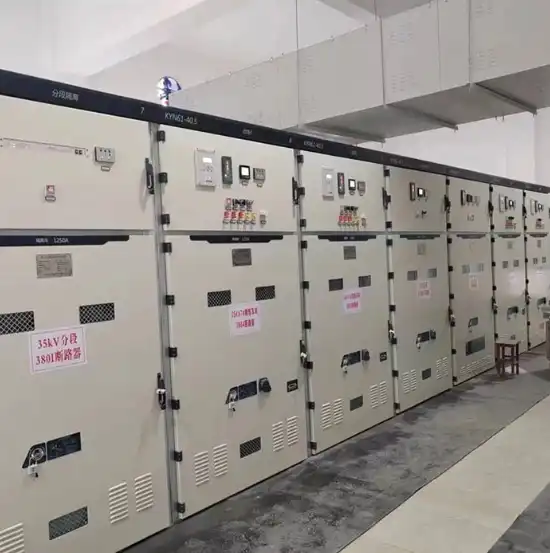
Manufacturing knowledge differentiates trusted suppliers from opportunistic providers. Large production facilities with specific testing equipment indicate dedication to quality manufacturing. Advanced manufacturing lines leveraging aerospace-grade precision technologies assure constant product quality and dimensional correctness.
Patent portfolios indicate genuine innovation capability rather than simple copying of existing designs, especially in specialized fields like wind power switchgear. Companies with substantial intellectual property investments typically provide more advanced solutions and ongoing product development. Research and development capabilities directly correlate with the ability to address evolving industry requirements.
Quality management certifications give insight into the degree of organizational maturity ISO 9001:2015 accreditation verifies systematic quality control methods. Environmental management (International Organization for Standard 14001) along with occupational health qualifications (ISO 45001) demonstrate complete operational excellence surpassing basic production competence.
Industry expertise in solar energy applications counts greatly. Suppliers with solid track records in energy from renewable sources projects understand the particular difficulties and needs. References from big service providers and successful project implementations give crucial performance confirmation.
Customization and Engineering Support
Standard catalog goods seldom fulfill the particular needs of wind generating systems. Scenario-based customisation options allow providers to adjust equipment for particular environmental circumstances and project demands. This versatility becomes critical for offshore constructions, high-altitude settings, and harsh climatic conditions.
Engineering assistance capabilities extend well beyond basic product provision. Technical assistance throughout the design process helps maximize system setup and performance. Drawing and mathematical services enable optimum equipment size and synchronization. Installation advice minimizes expensive field adjustments and delays.
Modular design concepts provide substantial benefits for energy from wind applications. Integrated modular architecture decreases installation complexity while boosting dependability via decreased connection points. Compact designs optimize space use in wind turbine sites when real estate remains valuable.
Compatibility checking services avoid chttps://www.2345.com/?k559460&f=x4_x4_scj&p=x3ostly integration difficulties. System integration assistance allows flawless coordination between switches and other components and other electrically powered devices. Pre-commissioning testing checks system performance preceding energy consumption.
Supply Chain and Delivery Considerations
Manufacturing lead times significantly impact project schedules. Standard products with 7-15 day delivery enable rapid project progression, while customized solutions requiring 30-60 days demand careful planning. Supplier production capacity and scheduling flexibility directly affect ability to meet critical project milestones.
Quality control processes throughout manufacturing ensure consistent product performance, particularly for wind power switchgear. Raw material selection using corrosion-resistant alloys and high-grade insulation materials directly impacts long-term reliability. Multi-round testing including functional performance verification and compliance testing validates each product before shipment.
Packaging standards protect equipment during transportation and storage. Moisture-proof and shock-proof wooden packaging preserves product integrity during extended shipping periods. International packaging standards ensure compliance with customs requirements for cross-border shipments.
Inventory management capabilities support both emergency replacements and planned maintenance activities. Spare parts availability ensures continued operation throughout the equipment lifecycle. Supply chain stability reduces procurement uncertainty and supports long-term maintenance planning.
After-Sales Service and Long-Term Support
Comprehensive after-sales support distinguishes professional suppliers from simple equipment vendors. Installation guidance services ensure proper commissioning and startup procedures. On-site technical support during critical project phases minimizes delays and ensures optimal performance.
Maintenance agreements establish a structured support framework for the entire equipment lifecycle. Scheduled servicing prevents unexpected failures and optimizes operational performance. Integrated emergency response provisions ensure that expert support is rapidly deployed when issues arise, significantly minimizing costly downtime and maintaining system availability.
Spare parts supply plans ensure critical components remain available throughout the equipment's operational lifespan. Proactive obsolescence management facilitates necessary component substitutions during extended service periods. Additionally, upgrade services provide opportunities for performance enhancements and technological modernization, ensuring the system adapts to evolving industry standards and efficiency requirements.
Training programs for operations and maintenance personnel enhance long-term system reliability, including the wind power switchgear. Technical documentation provides detailed information for troubleshooting and maintenance procedures. Remote monitoring support capabilities enable proactive maintenance scheduling and performance optimization.
Cost Analysis and Value Assessment
Initial equipment costs represent only a portion of total lifecycle expenses. Long-term operational considerations including maintenance requirements, reliability performance, and efficiency levels significantly impact overall project economics. Value engineering approaches help optimize the balance between initial investment and ongoing operational costs.
Energy losses through switchgear equipment directly affect revenue generation over the project lifecycle. High-efficiency designs minimize power losses while reducing thermal stress on components. Reliability improvements reduce lost production revenue from unexpected outages.
Warranty coverage offers crucial financial protection against premature equipment failure. Extended warranty options can justify a higher initial investment by reducing long-term risk and potential repair costs. It is equally important to assess the supplier's financial stability, as this guarantees their ability to fulfill all warranty obligations throughout the entire coverage period, ensuring lasting value and peace of mind.
Total cost of ownership calculations must include installation costs, commissioning expenses, ongoing maintenance requirements, and expected replacement schedules. Suppliers offering comprehensive service packages often provide better overall value despite higher initial equipment costs.
Conclusion
Selecting the right wind power switchgear supplier requires careful evaluation of technical capabilities, manufacturing quality, and long-term support commitments. The complexity of modern wind power installations demands suppliers who understand both electrical engineering requirements and renewable energy industry challenges. Successful partnerships combine quality products with comprehensive services, ensuring reliable operation throughout the equipment lifecycle while optimizing total project value and minimizing operational risks.
Ready to Secure Reliable Wind Power Switchgear Solutions?
Yuguang Electric specializes in wind power switchgear manufacturing with proven expertise in harsh environment applications. Our 39 patents and comprehensive 6KV-40.5KV product range ensure optimal solutions for your renewable energy projects. Contact our technical team at ygvcb@hotmail.com to discuss your specific requirements and discover how our integrated approach delivers superior value through enhanced reliability, faster delivery, and comprehensive support services.
References
1. International Electrotechnical Commission. "High-voltage switchgear and controlgear – Part 200: AC metal-enclosed switchgear and controlgear for rated voltages above 1 kV and up to and including 52 kV." IEC 62271-200 Standard.
2. Johnson, Mark A., and Peterson, Sarah L. "Switchgear Design Considerations for Wind Power Applications." IEEE Transactions on Power Delivery, vol. 35, no. 4, 2020, pp. 1847-1856.
3. Chen, Wei, and Thompson, Robert K. "Environmental Testing Standards for Renewable Energy Electrical Equipment." International Journal of Electrical Power & Energy Systems, vol. 128, 2021, pp. 106-115.
4. Global Wind Energy Council. "Wind Power Equipment Specifications and Procurement Guidelines." Technical Report WE-2023-07, Wind Industry Standards Committee, 2023.
5. Martinez, Carlos E., et al. "Reliability Assessment of High-Voltage Switchgear in Offshore Wind Installations." Renewable Energy Systems Quarterly, vol. 45, no. 2, 2022, pp. 78-94.
6. Anderson, David M., and Liu, Jennifer. "Cost-Benefit Analysis of Switchgear Selection in Large-Scale Wind Projects." Energy Economics and Management Review, vol. 29, no. 3, 2023, pp. 234-251.

Send Inquiry
You may like
